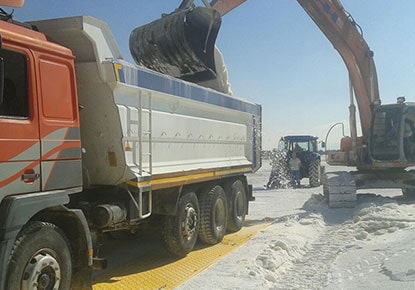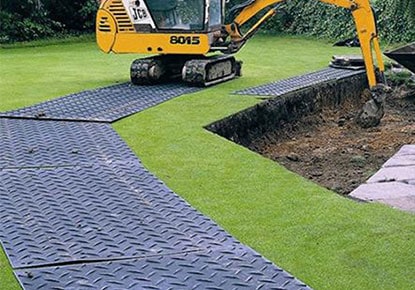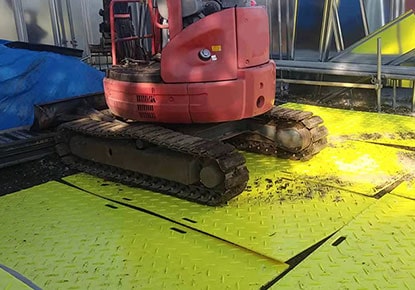



No Matter Your Ground or Jobsite Condition – We Have the Right Protection Solution
Description:
Are you struggling with these problems?
❌ Heavy equipment sinking or getting stuck in mud, causing costly delays?
❌ Damaging grass fields at rental venues and getting fined thousands of dollars?
❌ Temporary parking lots crushing underground pipes or causing environmental damage?
❌ Wooden or steel mats being too heavy, rusting, or getting stolen?
Here’s what we can do for you:
✅ Protect the Ground – Whether it’s lawn, asphalt, concrete, sand, or frozen soil, our mats evenly distribute heavy machinery, vehicle, and foot traffic – leaving zero damage behind.
✅ Protect Your Equipment – Provide a stable, non-slip work platform to prevent crane outriggers from sinking and equipment from tipping – keeping your jobsite safe.
✅ Pass Inspections with Ease – Our mats meet OSHA, EPA, and other site environmental & safety requirements – helping you pass project audits without hassle.
✅ Lower Your Total Cost – Compared to one-time gravel spreading or repeated ground repairs, our reusable mats save you 50%+ in long-term costs.
✅ Save Jobsite Time – Modular quick-interlocking design requires no tools. Two workers can cover hundreds of square meters in under an hour.

From construction sites to outdoor events, our HDPE Ground Protection Mats deliver instant, heavy-duty ground stability. Lightweight, interlocking, and reusable. Custom sizes available. Ships globally.


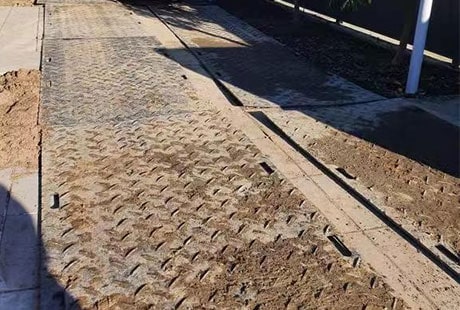

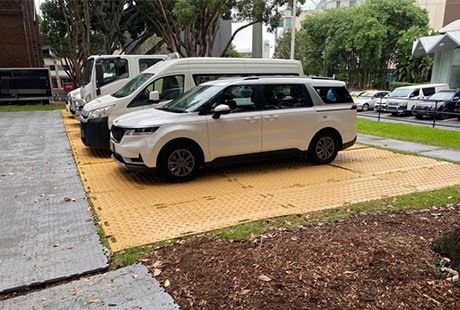
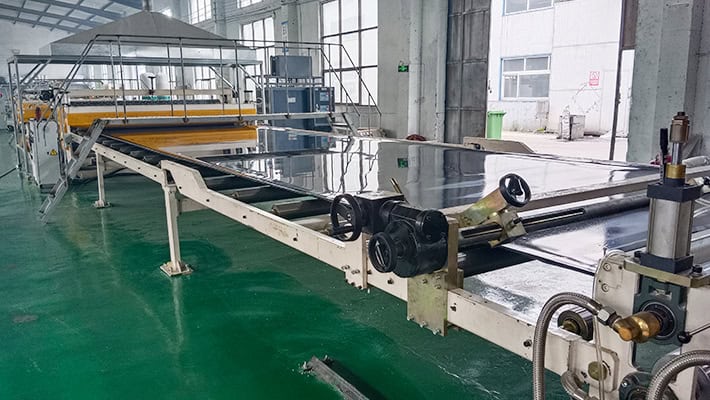
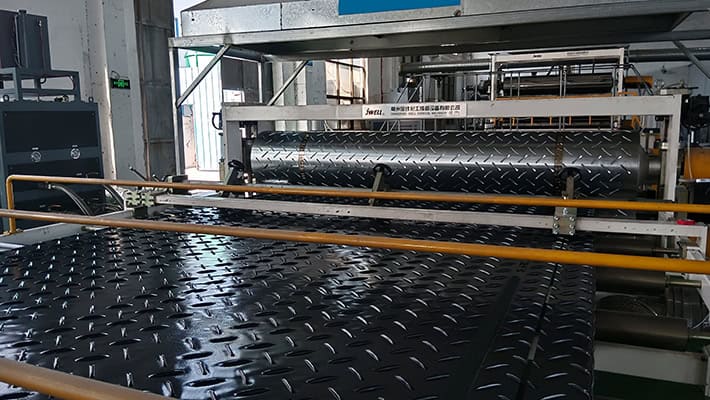
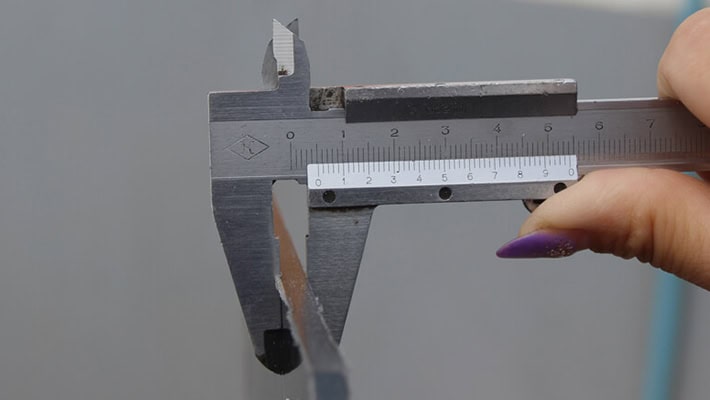
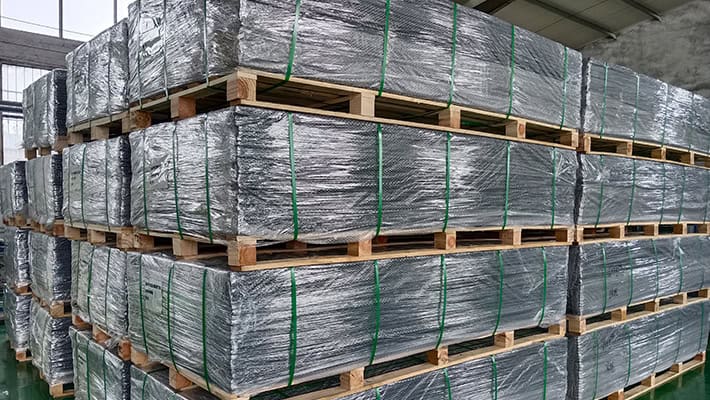


These mats serve multiple critical roles on any job site:
The key factor is weight distribution. If you have a load on a small contact patch, such as heavy plant machinery on soft ground, you will get a high pounds-to-the-square-inch pressure resulting in rutting and sinking. A ground protection mat distributes this load evenly over the entire surface area, thus greatly reducing the ground pressure. This helps to avoid soil compaction, protects root zones, and ensures machinery remains mobile whatever the ground condition.
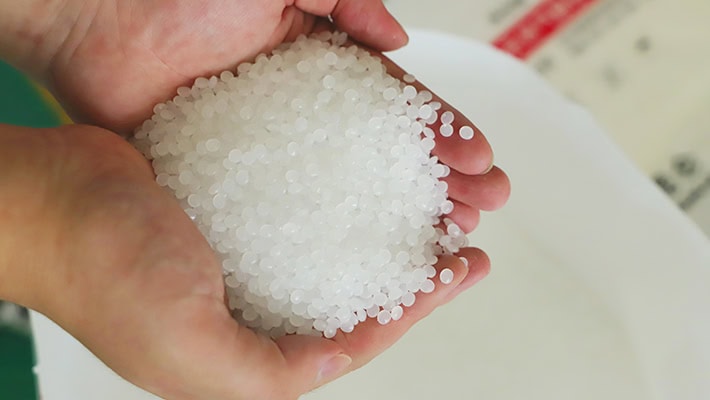
High-density polyethylene (HDPE) is currently the most prevalent material being used in modern buildings and event management. These mats are lightweight but extremely durable and are easily moved, set up and taken down. HDPE has an inherent resistance to chemicals, moisture and ultra violet radiation, which makes it suitable for construction like temporary roads and walkways as well as off road applications that are used several times over. By using lighter panels, a small team can set up a large area in a short space of time.
Composite mats are formed from strong, reinforced materials such as fiberglass or glass-fiber-reinforced plastics for use in conditions of higher load requirements. They are highly durable, long lasting and impact and chemically resistant. For these reasons they are ideal for heavy industrial work, pipeline construction and indefinite or semi-indefinite location access roads in demanding environments.
Timber mats, sometimes identified as crane mats or oak mats, have historically been employed for oilfield, pipeline and utility projects. They are favored for their natural strength and capacity to bear very high static loads. From the operational perspective they are also expensive to transport, heavy and tend to split and rot over time. In addition they are now facing environmental restrictions around their sourcing and processing. As a result most operators are moving away from timber and opting for modern synthetic options.
Rubber mats Flexible, lightweight and with very good anti-slip properties are often the best choice for pedestrian walkways, outdoor events and other applications where the surface grip is the main concern. They easily adapt to uneven terrain and can be rolled or folded for easy transport. However, the load capacity of rubber mats is normally inferior to HDPE and composite products and they are not suitable for use with heavy vehicles.
Aluminum mats are capable of providing the same heavy-duty operation as aluminum and steel with a light weight alternative. Aluminum mats, being easily portable have a high strength-to-weight ratio that makes them ideal for crane operations, aerospace ground support, and most high point load applications. Aluminum mats are also very corrosion resistant.
Premium ground protection mats are engineered to accommodate every type of construction or industrial equipment in fact, they are capable of supporting tight-turning, heavily-loaded forklifts, all types of compact and articulated excavators as well as big crawler cranes and articulated dump trucks. The majority of HDPE mats will sustain dynamic loads of 60–120 tons per panel, whereas composite and aluminum mats can sustain static loads even higher. Make sure to confirm all manufacturer load ratings meet the weight of your heaviest equipment.
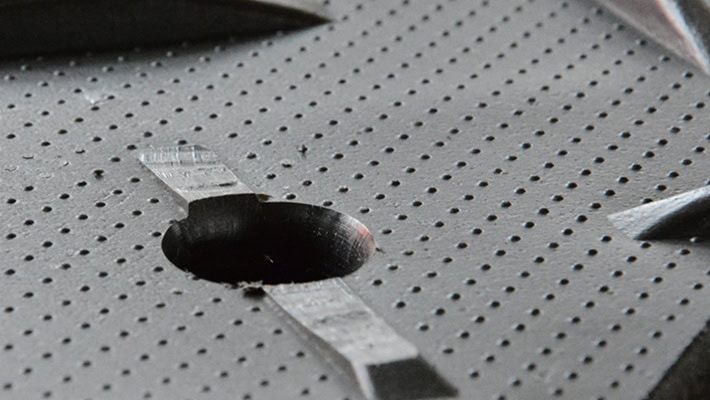
Good traction is a must, not only for a stable, confident vehicle but also for the safety of the workers stepping out onto it. Great mats will have an aggressive tread pattern (diamonds, gratings, etc.) on both sides or on the single side. Double-sided trenched mats give you an extra margin of safety because you can‘t put the mat in upside down and fall when the fasteners are fully extended.
Ground protection mats must perform in all conditions. Key weather-resistance features include:
What then is the utility value of ground protection mats? It rests in part on how rapidly they can be mobilized and demobilized, and contemporary forms have:
Heavy-duty ground protection mats need to stand up to being driven on and off repeatedly, cleaned thoroughly and stored away over and over again. Impact resistant pans will not crack when you drive suddenly or more heavily than anticipated. And abrasion resistance surfaces can handle the daily passage of large vehicles without failure. Well maintained premium HDPE and composite, excellent return-on-investment.
At construction sites, ground conditions are constantly changing. Delays from mud and soft ground can easily turn into a colossal overspend. Ground protection mats allow:
Remote oilfields and pipeline projects usually involve working in wetlands, tundra and other environmentally sensitive areas where ground disturbance needs to be kept to an absolute minimum. Mats allow:
Ground access on power line, fiber, and renewable installation sites is vital to utility crews working in the field. It is critical to protect the sublayers of the earth, such as underground infrastructure or native landscape. Ground protection mats are a common tool used for:
Professionals working in the landscaping industry and arborists are continually under pressure to finish a job without marking out a lawn or creating any soil compaction adjacent to a tree‘s root ball. HDPE mats are generally utilized to:
Anything from music festivals to outdoor corporate events can benefit from a temporary ground protection system. Even in the rain, people can walk on wet grass and be sure of a safe and comfortable footing. Common uses are:
Growing in popularity, farmers use ground protection mats as they get their heavy equipment, such as tractors, combine harvesters and grain carts, out in the muddy season yet avoid ruining drainage of the field or ruining the crop rows. The mats protect the soil structure and the investment in the standing crop.
Different substrates demand different mat specifications:
Always include the static load (gear not moving) and the dynamic load (gear in motion. Gear in motion will exert more impact and therefore more loading). Dynamic loads are generally 1.5–2x the static load. Use the heaviest item of gear you will be working with in your design as a guide.
Modular sizes of panels are mostly from 1.2 m x 2.4 m to 2 m x 4 m; larger panel may save time in ground covered but need to be manipulated mechanically.
Flat surfaces are suitable for pedestrian applications and areas where the friction between mats is a concern. Deep, aggressive tread is critical where traction must always be assured (for instance, on a slope and in the rain). For mixed applications, double-sided traction mats prevent the need to adjust panel direction during installation.
A good baseline: if you anticipate mads being used on in excess of 3–4 projects per year, generally purchase pays for itself in 12–18 months
Gravel roads need to be excavated, supplied with aggregate, and graded; a job that takes days not hours. Cleanup can be almost as time-consuming, and the disturbed gravel has the potential to cause long term problems with drainage and erosion. Ground protection mats can be laid in hours, and stripped cleanly, ready for use elsewhere. For a temporary access solution there is simply nothing to compare in terms of speed and environmental impact.
Plywood is inexpensive, and in general, very useful. However it has a few limitations along with cheapness. Its tendency to delaminate in contact with moisture, along with its low load bearing capacity for heavy loads (cracking), led to the specification of HDPE ground protection mats. The HDPE mats have successfully endured thousands of load cycles, from construction equipment loads, whereas the 3/4” 40 PSF rated plywood can support many fewer.
Though the industry has relied on timber mats for many years, newer, synthetic options do just about everything a timber mat can do, and better:
Good installation starts before the first mat hits the ground:
Before each deployment, inspect panels for:
Getting rid of damaged cells right away will ensure the safety of you and your workers and your equipment.
Panel migration is common on soft ground with high traffic. Solutions include:
If the surface is still deflecting under load despite mat installation:
If mats become slick from algae, oil, or fine mud:
Premature cracking most often is caused by UV degradation, chemical incompatibility, or overloading. Warpage most often is caused by improper storage (stacked on a non-level surface) or thermal cycling in thin panels. First, always ensure the mat you selected is capable of handling the load and environmental conditions of your application a missed spec by your supplier will reduce service life (and satisfaction) significantly.
The standard forms of panels fit most applications but there are also many projects that have special specifications. Well known formers sell OEM and ODM versions of panels with custom sizes, thicknesses, tread designs, colors and brandings to suit your project or customer need. If you required big crane pads or branded mats for an event venue, professional manufacturers can provide.
Look for manufacturers who back their products with verifiable certifications:
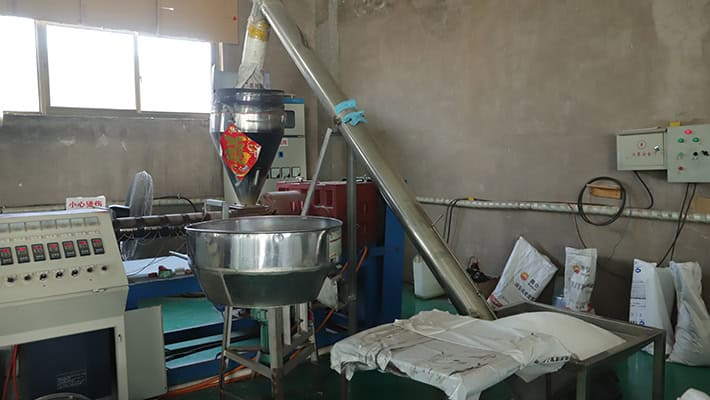
Cracks and Zzaar have been established manufacturers for over a decade. They have not only carried out the manufacturing process but also are knowledgeable about the international transportation needs including exporting documentation and long-distance packaging techniques. Their logistics managers are capable of organizing FCL and LCL container shipments and supplying technique guidance to distributors across the world.
The relationship shouldn‘t end at the point of sale. Choose a manufacturer that offers:
Load capacity is different for the material, ply weight and thickness. Most standard HDPE mats (30 40mm) are rated for dynamic loads of 60 80 tons per panel, heavier duty composite or aluminum mats can perform of loads greater than 150 tons. Always verify each manufacturer load table and take into account the static and dynamic load effects.
Yes this is one of their biggest benefits. Good quality HDPE and composite mats are to be re-used on many projects. If they are cleaned, stored and checked correctly they can be used dozens of times over the 10 or more years of their lifespan.
Most certainly. Turf protection is one of the most frequent uses. HDPE mats distribute the weight of machinery to reduce compaction and provide minimal penetration of light. For long term applications on green areas removal and repositioning may be required.
Minimum of 30 40mm for excavators, crane and heavy trucks. For Heaviest – Large crawler cranes/loaded haul trucks specify 50 mm 0r above and please advise from the load testing data from your manufacturer for you) specific equipment.
The service life of the HDPE mats can be as long as 8–12 years with careful use, cleaning and storage. With ultraviolet stabilized formulations and impact resistant HDPE grades, the duration could be even longer. Please do not overload the mats or apply them to incompatible chemicals.
Yes. HDPE and composite mats are water resistant and they will not absorb water, swell or delaminate in wet conditions. That makes them naturally compatible for job sites exposed to rain, swampy conditions and anywhere that moisture is present.
Yes. Most of today’s ground protection mats are equipped with interlocking edges, or are compatible with connector pins so that the panels can join together to form a seamless surface. This prevents gaps from appearing between panels, minimizes the shifting of individual panels, and enables custom arrangements to accommodate any layout.
Pressure washing is standard cleaning method, it will clean away most of the dirt, oil, mud, concrete and weathering of typical job site debris. Check for cracks and abrading of the mats surface while cleaning it. Store clean mats flat, covered and protected, or if you leave them outside use UV- protecting cover.